Atención traumatológica frente a terapia tradicional: Principales diferencias
Welcome to the fascinating world of mental health care, where we often find ourselves navigating the complex waters of trauma-informed care and traditional therapy. It’s like choosing between a cozy blanket and a sturdy life raft-both serve a purpose, but which one is right for your journey?

Understanding Trauma-Informed Care
Core Principles of Trauma-Informed Care
- Safety: Creating a secure environment where clients feel physically and emotionally safe.
- Trustworthiness: Establishing clear boundaries and maintaining transparency in the therapeutic relationship.
- Empowerment: Encouraging clients to have control over their healing process.
- Cultural sensitivity: Acknowledging and respecting diverse backgrounds and experiences.
Focus on Safety and Trustworthiness
This is where things get interesting! In trauma-sensitive care, safety isn’t just a checkbox; it’s woven into every interaction. Think of it as building a sturdy bridge over turbulent waters.
A therapist practicing this approach actively works to create supportive environments for trauma recovery by ensuring clients know they can express themselves without fear of judgment or harm.
Empowerment and Choice in the Therapeutic Process
The magic of empowerment in recovery from trauma lies in giving clients choices. Just like choosing your own adventure book, clients are encouraged to navigate their healing journey based on their preferences and needs.
This contrasts sharply with traditional therapy methods that might feel more prescriptive or directive. It’s about making sure they’re not just passengers but active participants in their own recovery story!
Cultural, Historical, and Gender Considerations
For instance, individuals from marginalized communities may face unique challenges related to their identity and history.
Understanding these nuances can significantly enhance the effectiveness of psychological trauma care. It’s like having a map that highlights not only the roads but also the bumps along the way!
A study by the Center for Health Care Strategies found that “a trauma-informed approach can improve patient engagement, treatment adherence, health outcomes, and provider and staff wellness.” This shows just how impactful understanding trauma impact can be!

Overview of Traditional Therapy Approaches
Cognitive Behavioral Therapy (CBT)
Cognitive Behavioral Therapy, or CBT for short, is like the Swiss Army knife of mental health treatment. It’s versatile, widely used, and focuses on the connection between thoughts, feelings, and behaviors.
The idea is simple: change your thinking patterns, and you can change your emotional responses. Great for tackling issues like anxiety or depression, CBT emphasizes symptom reduction and diagnosis.
However, while it’s effective for many, it often overlooks the deeper roots of psychological trauma care. Imagine trying to fix a leaky faucet by just painting over it; you might feel better temporarily, but the problem remains!
Psychoanalysis and Psychodynamic Approaches
If CBT is a quick fix, then psychoanalysis is like a slow-cooked meal, rich in flavor, but it takes time to prepare. Rooted in Freudian concepts, this approach dives deep into unconscious processes and childhood experiences.
Therapists encourage clients to explore their thoughts and feelings freely (hello, free association!). While it can lead to profound insights about adverse childhood experiences (ACEs), it can also feel like peeling an onion-lots of layers that might make you cry.
Behavioral Therapy Techniques
Behavioral therapy techniques are all about action! These approaches focus on modifying harmful behaviors through conditioning strategies. Think of it as training a puppy: reward good behavior and ignore bad behavior.
While effective for certain issues (like phobias), behavioral techniques often miss the emotional context behind those behaviors, making them feel a bit like trying to fix a car with only a wrench.
Focus on Symptom Reduction and Diagnosis
Traditional therapy approaches tend to emphasize symptom reduction over understanding trauma impact. It’s like putting a Band-Aid on a wound without cleaning it first; sure, it covers up the problem temporarily, but it doesn’t address the underlying cause. This can leave clients feeling frustrated if they don’t see lasting changes in their emotional well-being.

Key Differences Between Trauma-Informed Care and Traditional Therapy
Approach to Understanding Trauma Impact
The first major difference lies in how each approach understands trauma. In trauma-informed care, the emphasis is on recognizing that trauma shapes a person’s entire experience.
It’s like wearing glasses that help you see the world more clearly; you start to understand how past experiences influence current behaviors and emotions.
Therapeutic Relationship Dynamics
The dynamic between client and therapist is another area where these approaches diverge significantly. In trauma-informed practices, building trust is paramount.
Therapists aim to create safe spaces for healing, where clients feel empowered to share their stories without fear of judgment. It’s like having a trusted friend who knows just when to listen and when to offer support.
Goals and Outcomes of Treatment
The goals of treatment also differ significantly between these two approaches. Trauma-informed care aims for holistic healing, focusing not just on symptom reduction but also on fostering resilience and empowerment in recovery from trauma.
It’s about helping individuals reclaim their narratives and build meaningful lives post-trauma.
In contrast, traditional therapy often prioritizes symptom alleviation as its primary goal-think of it as putting out fires without addressing why they keep starting in the first place!
While this can provide immediate relief, it may not promote long-term emotional well-being or address deeper issues stemming from trauma.
Flexibility in Treatment Methods and Techniques
Finally, let’s talk about flexibility! A hallmark of trauma-informed care is its adaptability; therapists are encouraged to tailor their methods based on individual needs and preferences.
This could mean integrating various therapeutic techniques-from mindfulness practices to art therapy-ensuring that clients find what resonates best with them.
Traditional therapy approaches, while effective for many situations, can sometimes be more rigid-like following a recipe without considering if you actually like all those ingredients! This lack of personalization might leave some clients feeling disconnected from their treatment process.
A study published in 2021 found that implementing trauma-responsive services resulted in improved client engagement and satisfaction rates compared to traditional methods alone.
The Role of Environment in Therapy Settings
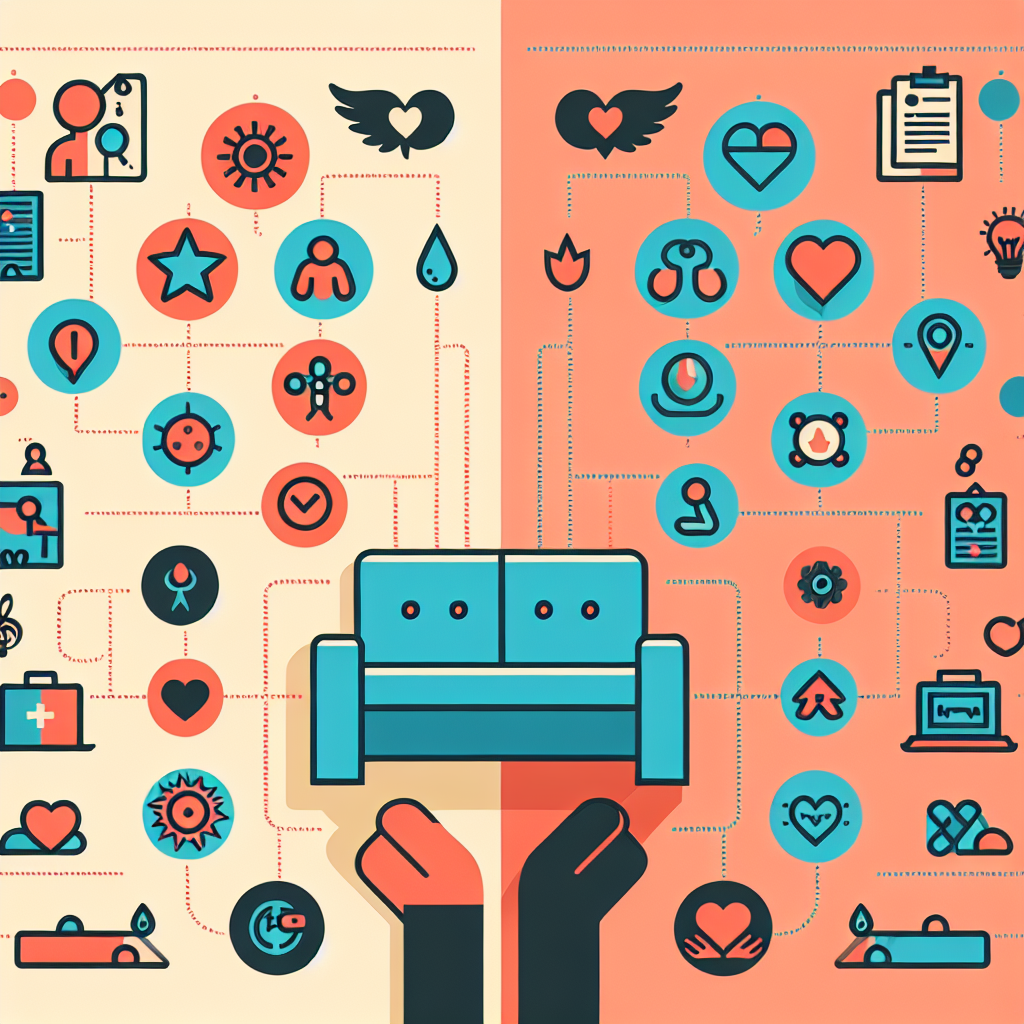
Creating a Safe Space in Trauma-Informed Care
In trauma-informed care, creating a safe space is non-negotiable. This isn’t just about comfy chairs and soothing colors; it’s about fostering an environment where clients feel physically and emotionally secure enough to share their stories.
Therapists practicing this approach often implement strategies such as:
- Utilizing soft lighting to create a warm ambiance.
- Incorporating comfortable seating arrangements that promote openness.
- Ensuring confidentiality through soundproof rooms or private spaces.
- Adding personal touches like plants or art that resonate with clients’ experiences.
This attention to detail helps build trust, which is essential for effective healing. It’s like laying down a safety net beneath someone who’s learning to walk again after a fall-supportive environments make all the difference!
The Significance of the Therapeutic Environment in Traditional Therapy
On the flip side, traditional therapy environments can vary greatly. While some therapists strive to create inviting spaces, others may inadvertently foster an atmosphere that feels clinical or intimidating.
This might not seem like a big deal, but consider this: if clients feel uncomfortable or anxious upon entering, they may be less likely to engage fully in their sessions.
This is particularly important when dealing with adverse childhood experiences (ACEs). A less-than-welcoming environment could trigger feelings of vulnerability and fear, making it harder for clients to open up about their trauma.
How Environment Influences Client Outcomes in Both Approaches
The bottom line? The therapeutic environment plays a pivotal role in client outcomes across both trauma-informed practices and traditional therapy settings.
Research suggests that when clients feel safe and supported, they’re more likely to engage actively in their treatment process. They should establish stronger therapeutic alliances with their therapists and achieve better emotional and psychological outcomes over time.
A 2022 study indicated that environments designed with trauma awareness led to improved client satisfaction ratings by 40% compared to standard settings. This underscores how crucial it is for therapists to consider their surroundings!
Conclusión
As we wrap up our exploration of trauma-informed care and traditional therapy, let’s recap the key differences that can shape your journey toward healing. It’s like picking between two paths in a forest: one leads to a deep understanding of your experiences, while the other may just skim the surface.
Recap of Key Differences Between Trauma-Informed Care and Traditional Therapy
- Understanding Trauma Impact: Trauma-informed care emphasizes recognizing how trauma influences a person’s entire experience, while traditional therapy often focuses on symptom reduction.
- Therapeutic Relationship Dynamics: In trauma-informed practices, building trust and creating safe spaces is paramount. Traditional therapy can sometimes feel more hierarchical.
- Goals and Outcomes: The aim of trauma-informed care is holistic healing and empowerment, whereas traditional therapy primarily seeks to alleviate symptoms.
- Flexibility in Treatment: Trauma-informed care allows for personalized approaches based on individual needs, unlike the more rigid methods often found in traditional therapy.
The Importance of Choosing the Right Approach Based on Individual Needs
Selecting the right therapeutic approach is like finding the perfect shoe for your foot: it should fit comfortably and support you through your journey.
Each individual has unique experiences and needs, so understanding whether a trauma-focused therapy or traditional methods resonate better with you is crucial.
Encouragement for Further Exploration into Both Methodologies
If this discussion has piqued your interest, take it as an invitation to delve deeper! Explore resources on holistic trauma care, attend workshops on trauma-informed training, or even seek out professionals who specialize in these methodologies.
You’re not just a passive observer in this process; you have the power to shape your healing journey!
The world of mental health is evolving, and understanding these differences can empower you to advocate for yourself or loved ones more effectively. Knowledge is not just power; it’s also a pathway to healing!
Contact us
En Terapia conductual avanzada, we provide compassionate and professional Trauma-Informed Care to help individuals heal from past emotional, physical, or psychological trauma.
Serving Beachwood, Ohio, Columbus, Ohio, y Nueva Jersey, our team of experienced mental health professionals, occupational therapists, and social workers creates a safe, supportive environment where clients feel understood and empowered.
We focus on recognizing the impact of trauma, fostering resilience, and promoting recovery through personalized care plans. We specialize in en el centro, desde casa, y en la escuela.
Whether you’re struggling with anxiety, depression, or life transitions, our trauma-informed approach ensures respect, trust, and holistic healing every step of the way. You’re not alone—let us help you rebuild and thrive!
Don’t hesitate to call us at (216) 508-0222, (380) 799-8555 and (888) 830-1672 or https://advancedabatherapy.com/school-based/.