درک نقش یک کاردرمانگر در رفتاردرمانی
به دنیای خوش آمدید کاردرمانی, جایی که جادوی شفا با هنر زندگی روزمره تلاقی میکند! اگر تا به حال از خود پرسیدهاید که چگونه یک درمانگر شغلی (کاردرمانگر) میتواند در رفتاردرمانی تغییر ایجاد کند، شما منتظر یک فرصت هستید. در این پست وبلاگ، نقش چندوجهی کاردرمانگر در رفتاردرمانی، بهویژه برای کودکان و سالمندان را بررسی خواهیم کرد.
تعریف کاردرمانی
کاردرمانی یک حرفه سلامت محور مراجع محور است که بر ارتقای سلامت و رفاه از طریق مشارکت در شغل تمرکز دارد. این به معنای همه چیز است، از کمک به کودکان برای توسعه مهارتهای حرکتی ظریف گرفته تا ارائه آموزش تجهیزات تطبیقی برای بزرگسالانی که از سکته مغزی بهبود مییابند. کاردرمانگران با مراجعین همکاری میکنند تا از طریق مداخلات متناسب با نیازهای فردی، به اهداف خود برسند.
مرور کلی بر رفتار درمانی
رفتار درمانی, از سوی دیگر، بر درک و اصلاح رفتارها تمرکز دارد. این روش اغلب برای کودکان مبتلا به اوتیسم یا کسانی که با ADHD دست و پنجه نرم میکنند، استفاده میشود. هدف؟ کمک به آنها برای گذر از موقعیتهای اجتماعی، بهبود مهارتهای ارتباطی و توسعه استراتژیهای مقابلهای مؤثر است.
این دو رویکرد، هنگامی که با خدمات کاردرمانی ترکیب میشوند، یک برنامه درمانی جامع ایجاد میکنند که هم نیازهای جسمی و هم نیازهای عاطفی را برطرف میکند.
اهمیت درک نقش یک کاردرمانگر در این زمینه
کاردرمانگران مراقبت جامع نه تنها تواناییهای فیزیکی، بلکه عوامل شناختی و عاطفی مؤثر بر رفتار را نیز ارزیابی میکنند. مداخلات متناسب، مداخلات کاردرمانگری را بهطور خاص برای چالشهای منحصر به فرد هر کودک طراحی میکنند - مثلاً درمان ادغام حسی یا مداخلات مبتنی بر بازی برای کودکان با نیازهای ویژه.
کاردرمانگران اغلب با متخصصان دیگر، مانند روانشناسان یا گفتاردرمانگران، همکاری میکنند تا مراقبتهای جامعی ارائه دهند.
با ادغام کاردرمانی در برنامههای رفتاردرمانی، خانوادهها میتوانند شاهد پیشرفتهای پایدار نه تنها در رفتار، بلکه در مهارتهای زندگی روزمره نیز باشند.
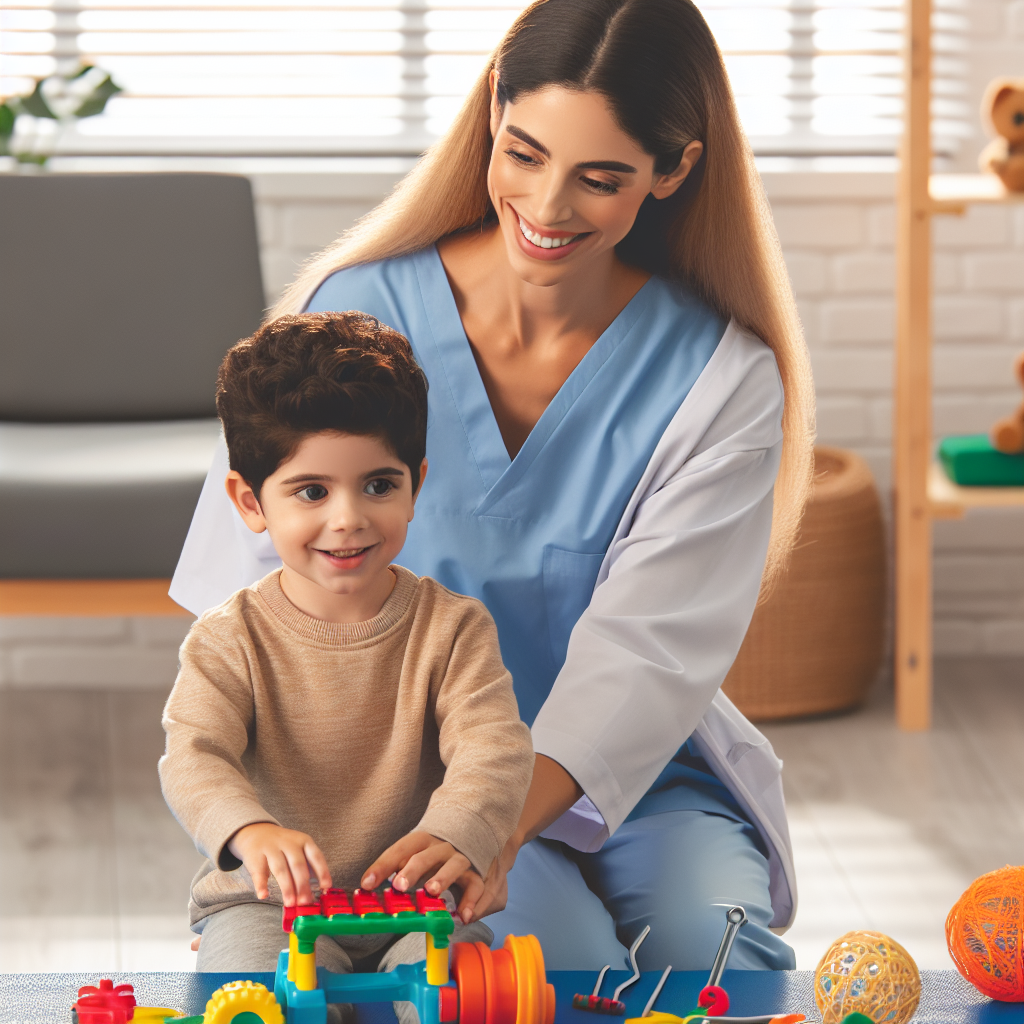
نقش یک متخصص کاردرمانی
صلاحیتها و آموزشهای مورد نیاز
مدرک کارشناسی ارشد در رشته کاردرمانی معمولاً مورد نیاز است. برخی از برنامهها حتی رشتههای تخصصی مانند کاردرمانی کودکان یا کاردرمانی سالمندان را نیز ارائه میدهند.
داوطلبان باید به عنوان بخشی از آموزش خود، کار میدانی تحت نظارت را انجام دهند - زیرا چه کسی میخواهد یک تازهکار روی مهارتهای حرکتی ظریف خود کار کند؟
نمره قبولی در آزمون صدور گواهینامه ملی الزامی است. تنها در این صورت است که آنها میتوانند خود را یک کاردرمانگر دارای گواهینامه بنامند!
همکاری با سایر متخصصان در رفتاردرمانی
هیچ کاردرمانی یک جزیرهی منزوی نیست! همکاری در محیطهای رفتاردرمانی کلیدی است. در اینجا نحوهی همکاری آنها با سایر متخصصان آمده است:
- متخصصان اطفال: کاردرمانگران اغلب با متخصصان اطفال همکاری نزدیکی دارند تا برنامههای درمانی جامعی را برای کودکانی که با تأخیر در رشد مواجه هستند، تدوین کنند.
- گفتاردرمانگران: وقتی مشکلات ارتباطی پیش میآید، کاردرمانگران با گفتاردرمانگران همکاری میکنند تا موانع ارتباطی فیزیکی و کلامی را برطرف کنند.
- روانشناسان: در مواردی که شامل کاردرمانی سلامت روان است، کاردرمانگران ممکن است با روانشناسان همکاری کنند تا برنامههای مراقبتی جامعی ایجاد کنند که در کنار قابلیتهای جسمی، به سلامت عاطفی نیز توجه داشته باشند.
- جامعه شناسان/مددکاران اجتماعی: آنها همچنین با مددکاران اجتماعی ارتباط برقرار میکنند تا اطمینان حاصل کنند که مراجعین به منابع اجتماعی که از رفاه عمومی آنها پشتیبانی میکند، دسترسی دارند.

نقش یک کاردرمانگر بسیار فراتر از مرزهای سنتی است. آنها در پر کردن شکافهای بین رشتههای مختلف درمانی نقش محوری دارند و در عین حال تضمین میکنند که هر مراجع مراقبتهای شخصیسازیشده متناسب با نیازهای منحصر به فرد خود را دریافت میکند.
تکنیکها و رویکردهای مورد استفاده کاردرمانگران
روشهای ارزیابی برای کودکان مبتلا به اختلال طیف اوتیسم (ASD) یا تأخیرهای رشدی
اولین قدم در هر برنامه کاردرمانی مؤثر، ارزیابی کامل است. برای کودکانی که مبتلا به اختلال طیف اوتیسم (ASD) یا تأخیر در رشد هستند، این ارزیابی شامل موارد زیر است:
- ارزیابیهای استاندارد: کاردرمانگران از ابزارهایی مانند پرسشنامه رشدی باتل یا مقیاسهای حرکتی رشدی پیبادی برای سنجش تواناییهای کودک در حوزههای مختلف استفاده میکنند.
- تکنیکهای مشاهدهای: تماشای کودکان در محیطهای طبیعی به کاردرمانگران کمک میکند تا نحوه تعامل آنها با محیط و همسالان خود را درک کنند و نقاط قوت و زمینههایی را که نیاز به حمایت دارند، آشکار سازند.
- مصاحبه با والدین: جمعآوری بینش از والدین، زمینه ارزشمندی در مورد رفتار کودک در خانه فراهم میکند که برای تنظیم مداخلات بسیار مهم است.
استراتژیهای تعیین هدف برای جلسات درمانی
پس از تکمیل ارزیابیها، زمان تعیین اهداف فرا میرسد! کاردرمانگران از چندین استراتژی استفاده میکنند تا اطمینان حاصل کنند که اهداف نه تنها قابل دستیابی، بلکه معنادار نیز هستند:
- اهداف هوشمند: اهداف مشخص، قابل اندازهگیری، قابل دستیابی، مرتبط و دارای محدودیت زمانی به متمرکز و قابل پیگیری نگه داشتن درمان کمک میکنند.
- هدفگذاری مشارکتی: مشارکت دادن کودک و خانوادهاش در تعیین اهداف، حس مالکیت و انگیزه را تقویت میکند - زیرا چه کسی نمیخواهد در پیشرفت خودش نقشی داشته باشد؟
- اهداف کوتاهمدت در مقابل اهداف بلندمدت: ایجاد تعادل بین اهداف فوری (مانند تسلط بر بستن دکمههای پیراهن) و آرزوهای بزرگتر (مانند بهبود مهارتهای اجتماعی) همه را درگیر نگه میدارد.
مداخلات و فعالیتهای متناسب با نیازهای فردی
The درمان یکپارچگی حسی این رویکرد به کودکان کمک میکند تا اطلاعات حسی را به طور مؤثرتری پردازش کنند - آن را به عنوان آموزشی برای حواس خود در نظر بگیرید.
مداخلات مبتنی بر بازی, که از بازی به عنوان یک واسطه استفاده میکنند، به بچهها اجازه میدهند در حین تفریح، مهارتهای جدید یاد بگیرند، زیرا چه کسی گفته است که درمان باید کسلکننده باشد؟
فعالیتهای توانبخشی شناختی برای مراجعین مسنتر یا کسانی که از سکته مغزی بهبود مییابند، هستند. کاردرمانگران ممکن است تمرینات شناختی را در بر بگیرند که حافظه و مهارتهای حل مسئله را بهبود میبخشد.
آموزش تجهیزات تطبیقی, آموزش نحوه استفاده از ابزارهایی مانند ظروف مخصوص یا وسایل کمکی حرکتی به مراجعین، میتواند استقلال آنها را در انجام وظایف روزمره زندگی به میزان قابل توجهی افزایش دهد.

زیبایی کاردرمانی در انعطافپذیری آن نهفته است. هر جلسه فرصتی برای خلاقیت، نوآوری و ارتباط واقعی بین درمانگر و مراجع است.
با به کارگیری این تکنیکها - چه از طریق ارزیابیهای متناسب با کودکان مبتلا به ASD و چه با استفاده از مداخلات مبتنی بر بازی - کاردرمانگران راه را برای پیشرفتهای معنادار در رفتار و توسعه مهارتها هموار میکنند.
تأثیر کاردرمانی بر پیامدهای رفتاری
مطالعات موردی که داستانهای موفقیت را نشان میدهند
نمونههای واقعی گویای همه چیز هستند! در اینجا چند داستان موفقیتآمیز وجود دارد که اثربخشی کاردرمانی را نشان میدهد:
- مطالعه موردی ۱: پسر جوانی مبتلا به اوتیسم در تعاملات اجتماعی در مدرسه مشکل داشت. پس از شرکت در مداخلات کاردرمانی متناسب با فعالیتهای مبتنی بر بازی، او نه تنها مهارتهای حرکتی ظریف خود را بهبود بخشید، بلکه شروع به شروع گفتگو با همسالان خود نیز کرد. معلم او متوجه کاهش قابل توجه اختلالات کلاس درس شد!
- مطالعه موردی ۲: یک زن مسن که در حال بهبودی از سکته مغزی بود، با چالشهایی در انجام کارهای روزمره زندگی مواجه شد. او از طریق ترکیبی از درمان توانبخشی و آموزش تجهیزات تطبیقی که توسط کاردرمانگرش ارائه شد، استقلال خود را دوباره به دست آورد و توانست دوباره غذاهای مورد علاقهاش را بپزد - در مورد بازگشت به آشپزی صحبت کنید!
سنجش بهبود در رفتار و توسعه مهارتها
اثربخشی کاردرمانی فقط یک روایت نیست؛ بلکه میتوان آن را به صورت کمی بیان کرد! در اینجا چند روش رایج برای اندازهگیری بهبودها آورده شده است:
- ارزیابیهای استاندارد: ابزارهایی مانند پرسشنامه ارزیابی ناتوانی کودکان (PEDI) به پیگیری پیشرفت در مهارتهای عملکردی کودکان کمک میکنند.
- چک لیست های رفتاری: کاردرمانگران اغلب از چک لیستها برای نظارت بر تغییرات رفتار در طول زمان استفاده میکنند - آنها را به عنوان کارتهای گزارش پیشرفت در نظر بگیرید!
- بازخورد والدین و معلم: جمعآوری بینش از کسانی که روزانه با کودک یا مراجع در تعامل هستند، زمینه ارزشمندی برای سنجش تغییرات رفتاری فراهم میکند.
- شواهد روایی: گاهی اوقات، بهترین معیارها از داستانهای شخصی که خانوادهها در مورد تحولات عزیزانشان به اشتراک میگذارند، به دست میآیند.
مزایای بلندمدت کاردرمانی در سلامت رفتاری
مزایای کاردرمانی بسیار فراتر از بهبودهای فوری است. در اینجا به برخی از مزایای بلندمدتی که مراجعین میتوانند تجربه کنند، اشاره میکنیم:
- توسعه پایدار مهارتها: مهارتهای آموختهشده در طول جلسات کاردرمانی اغلب در زندگی روزمره به کار میروند و استقلال را مدتها پس از پایان درمان ارتقا میدهند.
- تنظیم عاطفی پیشرفته: مراجعین اغلب استراتژیهای مقابلهای بهتری را برای مدیریت احساسات و رفتارها گزارش میدهند - یک برد-برد واقعی!
- تعاملات اجتماعی بهبود یافته: همچنان که مراجعین از طریق مداخلات کاردرمانی اعتماد به نفس پیدا میکنند، توانایی آنها در تعامل اجتماعی به طرز چشمگیری بهبود مییابد و منجر به دوستیهای بیشتر و انزوای کمتر میشود.
- مهارتهای یادگیری مادامالعمر: ابزارهایی که از طریق کاردرمانی به دست میآیند، رشد مداوم را تقویت میکنند و مراجعین را قادر میسازند تا با چالشهای جدید در طول زندگی سازگار شوند.

تأثیر کاردرمانی بر پیامدهای رفتاری عمیق است. با ادغام مداخلات متناسب با نیازهای بیمار در برنامههای درمانی، خانوادهها میتوانند شاهد تغییرات چشمگیری باشند که کیفیت زندگی عزیزانشان را افزایش میدهد.
اگر این خدمات را برای خودتان یا کسی که برایتان مهم است در نظر دارید، همین امروز با یک کاردرمانگر باتجربه تماس بگیرید - آنها میتوانند کلید گشودن آیندهای روشنتر باشند!
همکاری با خانوادهها و مراقبان
وقتی صحبت از کاردرمانی, ، ضرب المثل قدیمی "به یک روستا نیاز است" کاملاً درست است. مشارکت خانوادهها و مراقبان نه تنها مفید است، بلکه ضروری است! در واقع، مشارکت آنها میتواند اثربخشی برنامههای درمانی را به میزان قابل توجهی افزایش دهد. بنابراین، بیایید بررسی کنیم که چرا همکاری خانواده بسیار مهم است و چگونه میتوان به آن دست یافت.
اهمیت مشارکت خانواده در برنامههای درمانی
خانوادهها ستون فقرات هر تلاش درمانی هستند، به خصوص در محیطهای کودکان. در اینجا دلیل اهمیت مشارکت آنها آورده شده است:
- درک جامع: خانوادهها بینشهای ارزشمندی در مورد رفتار کودک خارج از جلسات درمانی ارائه میدهند. این دیدگاه به کاردرمانگران کمک میکند تا مداخلات را به طور مؤثرتری تنظیم کنند.
- تقویت انگیزه: وقتی خانوادهها در فرآیند درمان مشارکت دارند، کودکان اغلب انگیزه بیشتری برای مشارکت و بهکارگیری آموختههای خود در خانه دارند.
- ثبات کلید اصلی است: تقویت مداوم مهارتها در خانه برای موفقیت بلندمدت حیاتی است. مشارکت خانواده تضمین میکند که استراتژیهای آموخته شده در طول جلسات به طور منظم تمرین شوند.
- حمایت عاطفی: خانوادهها میتوانند با تشویق عاطفی، اعتماد به نفس کودک را افزایش دهند و او را برای یادگیری و رشد آمادهتر کنند.
راهکارهایی برای ارتباط مؤثر بین درمانگران و خانوادهها
پل ارتباطی بین خانوادهها و کاردرمانگران باید بر اساس ارتباط قوی ساخته شود. در اینجا چند راهکار برای اطمینان از اینکه همه با هم هماهنگ هستند، ارائه شده است:
- بهروزرسانیهای منظم.
- زبان سادهشده.
- سیاست درهای باز.
- جلسات خانوادگی.
نتیجه گیری
همانطور که کاوش خود را در مورد نقش یک متخصص کاردرمانی در رفتاردرمانی، واضح است که این متخصصان چیزی بیش از صرفاً متخصصان ماهر هستند - آنها متحدان حیاتی در مسیر رسیدن به رفاه بهبود یافته هستند.
چه از طریق مداخلات متناسب، آموزش تجهیزات تطبیقی یا تلاشهای مشترک با خانوادهها، کاردرمانگران نقش مهمی در بهبود زندگی افرادی که با چالشهای مختلفی روبرو هستند، ایفا میکنند.
خلاصهای از نقش و اهمیت کاردرمانگران در رفتاردرمانی
ادغام خدمات کاردرمانی مشارکت در برنامههای رفتاردرمانی میتواند منجر به نتایج دگرگونکنندهای شود.
با تمرکز بر نیازهای جسمی و عاطفی، کاردرمانگران به مراجعین کمک میکنند تا مهارتهای ضروری برای زندگی روزمره را توسعه دهند و در عین حال، تنظیم عاطفی را تقویت کرده و تعاملات اجتماعی را ارتقا دهند.
این رویکرد جامع به ویژه برای کودکان مبتلا به اوتیسم، سالمندانی که در حال بهبودی از سکته مغزی هستند و هر کسی که با چالشهای رفتاری دست و پنجه نرم میکند، مفید است.
فراخوانی برای والدین جهت مراجعه به خدمات کاردرمانی در صورت نیاز
اگر شما والدین یا مراقبی هستید که متوجه مشکلاتی در مهارتهای زندگی روزمره یا مدیریت رفتار شدهاید، دریغ نکنید! مراجعه به یک کاردرمانگر میتواند سرنوشتساز باشد. هر چه زودتر برای کمک اقدام کنید، فرزندتان برای توسعه مهارتهای عملکردی که تا آخر عمر دوام میآورند، مجهزتر خواهد بود.
تشویق به مراجعه به درمان رفتاری پیشرفته برای کسب اطلاعات یا کمک بیشتر
اگر آماده برداشتن قدم بعدی هستید یا در مورد اینکه چگونه کاردرمانی میتواند از نیازهای خانواده شما پشتیبانی کند، سؤالی دارید، از شما دعوت میکنیم با ما در Advanced Behavioral Therapy تماس بگیرید. تیم ما متعهد به ارائه مراقبتهای شخصیسازیشده متناسب با شرایط منحصر به فرد هر فرد است.
با مکانهایی در بیچوود, ، کلمبوس، و سراسر نیوجرسی, تیم باتجربه ما متشکل از درمانگران، مددکاران اجتماعی و متخصصان، مراقبتهای شخصیسازیشدهای را در ... ارائه میدهد. خانگی, مدرسه محور, ، و مبتنی بر مرکز تنظیمات.